By distinguishing four essential features of human living which form dimensions along which our lives might go well.
Our lives are constituted:
by meaningful experiences, activities and processes;
by the quality of our awareness and recognition of the non-instrumental values in these experiences, activities and processes;
by our connections and relationship inherent in those activities and processes;
by our self-conscious awareness of our lives as being non-instrumentally valuable.
Advancing the Conversation on Educational Ecosystems and Well-Being
Earlier this month, the Global Humanity for Peace Institute in partnership with CATESCO, convened an international online symposium bringing together leading scholars, educators and practitioners from across the world.
The symposium formed part of the development of the forthcoming Routledge International Handbook of Educational Ecosystems and Well-Being, an ambitious volume led by the Institute’s Director, Professor Scherto Gill. The handbook explores how education can be reimagined as a living, relational and regenerative ecosystem that nurtures the flourishing of learners, communities and society, while offering new perspectives for advancing well-being, sustainability and social transformation through education.
Across two days of dialogue, contributors shared emerging ideas spanning philosophical foundations, innovative pedagogies, educational practice, policy and systems transformation. The symposium provided a valuable opportunity for authors to strengthen connections across chapters, refine the Handbook’s collective vision and build an international community committed to advancing educational ecosystems thinking.
As the Handbook moves towards publication, the conversations sparked during the symposium will continue to shape a significant contribution to global debates on educational transformation, well-being and the future of education. We look forward to sharing further updates as the handbook progresses towards publication.
In this video, Prof Scherto Gill offers an outline of her presentation at 2025 Inner Development Goals Summit, focusing on exploring the four processes of the UNESCO Collective Healing Initiative, including an intergenerational approach to leadership as healership.
On October 16th, at the IDG Summit, Track 6 – Healing the Roots of What Drives Us Apart, will explore how trauma-informed leadership can open pathways for systemic healing, peacebuilding, and societal defragmentation. This digital track is an immersive journey into the root causes of polarisation and healing collective trauma, blending trauma science, conflict transformation, and embodied leadership.
Through live group process, reflective practice, artistic embodiment, and narrative tracking, participants will witness how inner development practices can transform fragmentation into collective insight and how to embed this wisdom in leadership, organisations, and society.
Prof Scherto Gill reflected on the question “What does it take to heal the deep divisions of our world today?” By tracing the development and processes of the UNESCO Collective Healing Initiative, the presentation brings forward communities across four continents experiences engaging in an intergenerational approach to shifting from trauma towards flourishing. This involves facing the wounds of injustice with courage, rediscovering ancestral wisdom with curiosity, nurturing new ways of belonging with compassion, and envisioning well-being futures with care.
This makes the case for why the intergenerational processes of collective healing are not abstract, but involve essential inner capacities of transforming leadership as healer-ship.
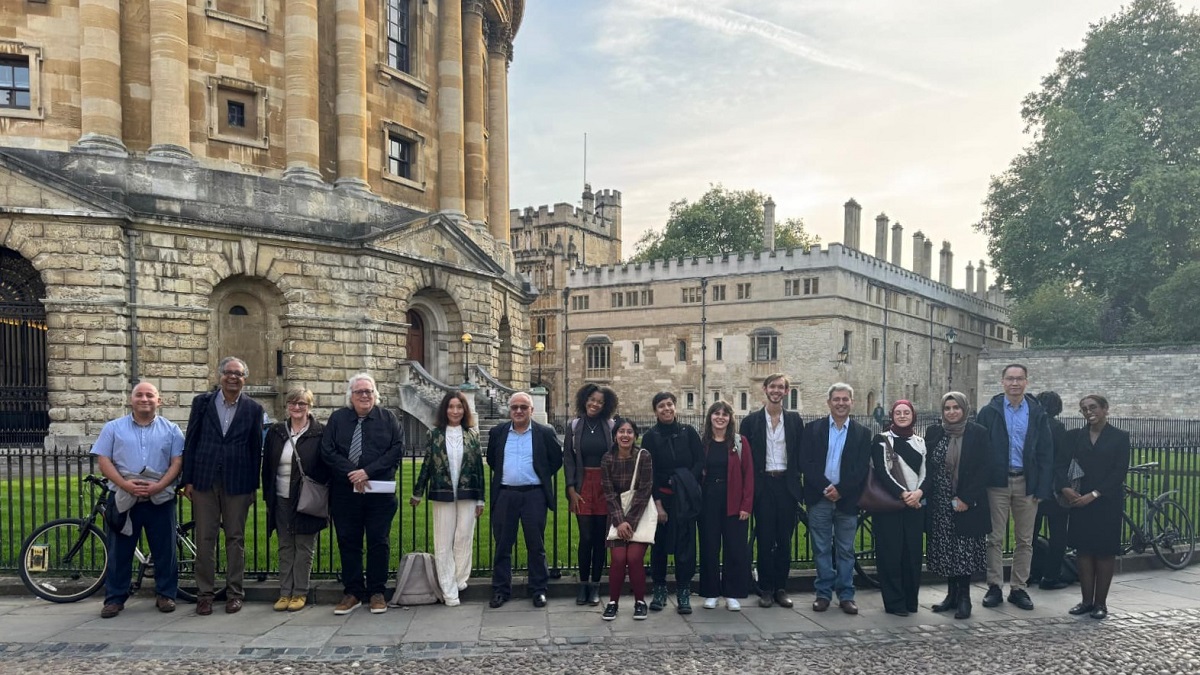
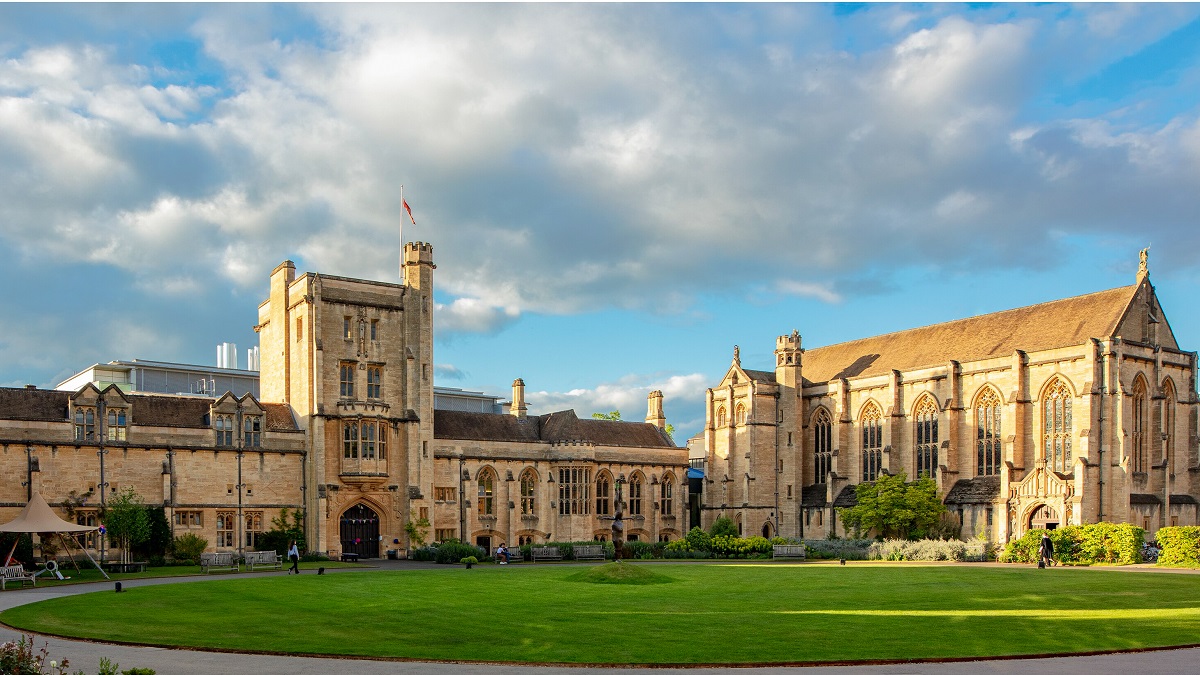
On 19th September, scholars, researchers and practitioners gathered in Mansfield College, Oxford, for a workshop on Intergenerational Dialogue for Well-Being Futures. This event was co-convened in partnership with the Journal of Dialogue Studies, which will publish a special issue (Vol. 14, 2025) on the same theme.
My motivation for guest-editing this issue arises from five years of work with the UNESCO Collective Healing Initiative. At the heart of Initiative are the Collective Healing Circles (CHCs), intergenerational spaces created in communities across Africa, the Americas, and Europe. In these circles, people of all ages come together to acknowledge historical mass atrocities, recognise continued wounds, reclaim ancestral wisdom and human dignity, transcend divisions, and co-imagine shared flourishing. They have shown me both the transformative potential and the challenges of intergenerational dialogue and inspired me to bring these questions into wider academic and policy exploration.
A workshop structured as a journey
Following an inspiring keynote from Youssef Mahmoud, former UN Under-Secretary-General, the academic workshop’s programme followed a deliberate arc:
Contexts – situating dialogue in linguistic, historical, ethical, grassroots, digital, and spiritual arenas.
Conceptualisations – examining how intergenerational dialogue is conceived epistemologically, ethically, and culturally, and how it can serve healing, and transformation.
Practices – exploring how dialogue is enacted and transmitted through arts, memory, and creative media.
Futures – considering how intergenerational dialogue might serve as a foundation for justice, solidarity, and flourishing societies.
This progression created space not only for rich scholarly exchange, but also for deep reflection on the ethical, methodological, and political dimensions of dialogue across generations.
Insights across the sessions
Several themes resonated across the day:
Transmission and transformation: Dialogue mediates the tension between preserving ancestral wisdom and inherited knowledge and transforming it for the future.
Agency and co-authorship: Who has the authority to decide what is remembered, transmitted, or reinterpreted? Intergenerational dialogue demands genuine co-authorship.
Dialogue as ethical practice: Listening, translation, ritual, and creativity are not just methods, but ethical commitments.
Challenges of reconciliation: Dialogues are often uncomfortable — grappling with guilt, silence, or denial — yet necessary for relational repair.
Futures through justice: Dialogue is not only about the past; it is a path to recognition, resilience, and flourishing futures.
One aspect that remains insufficiently addressed is the overwhelming domination of structural injustice, which continues to define the lived experience of the global majority. While academic research offers decolonial critique and systemic analysis, the challenge ahead lies in reimagining global governance that can respond to these realities.
Looking ahead
For me, one of the most moving aspects of the workshop was how much it echoed the spirit of the UNESCO Collective Healing Circles. We saw how dialogue is never neutral: it carries risks of stereotyping or tokenising, but also profound possibilities for recognition, resilience, and transformation. We saw how young people are not simply listeners or translators, but co-creators of meaning and futures. And we saw how elders are not only custodians of memory, but partners in reshaping change.
As we move forward, the next step is to revise and deepen the papers in light of the workshop conversations. Guided by the Journal of Dialogue Studies framework, the special issue will ensure that contributions are theoretically rich, methodologically and ethically strong, and — most importantly — relevant to the question at the heart of our gathering: how intergenerational dialogue can nurture well-being futures in contexts marked by structural injustice.
I am grateful to all who joined us in Oxford, for your generosity, insights, and presence. This is not the end, but part of a continuing journey to explore and enact intergenerational dialogue as a vital resource for our shared futures.
The Journal of Dialogue Studies, in partnership with the GHfP Institute, the Guerrand-Hermès Foundation for Peace, UNESCO Collective Healing Initiative, invited contributions for a special issue exploring the role of intergenerational dialogue in shaping collective well-being futures.
In recognising that despite global commitments to the UN Sustainable Development Goals (SDGs), progress remains impeded by persistent barriers, including transgenerational trauma, structural injustice, gender inequality, limited youth engagement, and fragmented political responses. In the face of these obstacles, intergenerational dialogue is increasingly important as it creates facilitated spaces for younger and older people to encounter and learn from each other. Such dialogue allows the community to draw insights from multiple generations, diverse cultural traditions, and rich cosmological worldviews towards building better futures.
This special issue is inspired by the power and potential of intergenerational dialogue. It is a response to the call of the United Nations Pact for the Future, which underscores the necessity of equitable intergenerational processes and collaborative approaches to multilateral governance to ensure sustainable peace, structural justice, and inclusive well-being.
This year, the GHfP Institute has engaged in a global study, commissioned by UNESCO, to explore youth’s needs for leadership development. What marks this research unique is that it has involved youth co-researchers throughout, from identifying research questions, to designing the research questionnaire, from hosting focus-groups, to analysing the data and identifying themes and proposing recommendations. Furthermore, this global study intentionally focuses on the voices of youth from marginalised communities.
Over 1,500 young people across every world region contributed to this research through a desk review, survey questionnaire, focus groups, and in-depth interviews. Their message is clear: leadership must be reimagined. No longer hierarchical, elitist, or tokenistic, youth envision leadership as relational, dialogical, and futures-forming — a practice that is grounded in care for people and the planet. In fact, this study reveals that young people are already leading change today, often under extraordinary constraints, and more importantly, they are leading with visions of justice, dignity, and well-being that the world urgently needs to hear.
What Youth Told Us
Their concerns are urgent and overlapping. From climate change and unemployment to gender-based violence, mental health, and political exclusion, young people confront intersecting crises every day.
They are already leading. In their communities, youth are mobilising for climate justice, creating safe spaces, preserving culture, and challenging systemic injustice.
Barriers are structural, not personal. Youth are not held back by a lack of talent or ambition, but by ageism, tokenism, underfunding, weak civic spaces, and exclusionary education systems.
They know what enables leadership. Trust, mentorship, intergenerational solidarity, sustained resources, and spaces of safety and belonging emerged as essential conditions for flourishing.
They are re-framing leadership itself. Leadership, they argue, is not about power over others, but about dialogue, shared responsibility, and accountability to future generations.
A Blueprint for Futures-Forming Leadership
From these insights, the study distilled:
Three imperatives: address systemic injustice, strengthen intergenerational solidarity, and reimagine governance for the common good.
Five values: collective well-being, dialogue, relationality, justice, and responsibility to future generations.
Seven proposals: practical recommendations from youth, ranging from experiential learning and mentoring to sustainable funding and co-governance structures.
Together, these constitute a youth-authored blueprint for leadership that is capable of meeting the challenges of our time.
A Call to Action
Young people are not asking for charity. They are calling for recognition, resources, and authentic partnership. They ask institutions to:
Institutionalise youth co-governance.
Secure long-term funding and seed grants.
Embed youth leadership into UNESCO and partners’ core systems.
Build decentralised hubs for exchange and solidarity.
Leverage partnerships across sectors to scale impact.
Why This Matters
Leadership for the future cannot be postponed. The crises we face are urgent, and the creativity and courage of youth are already shaping the path forward. What is needed now is not another round of rhetoric, but a living covenant between generations — a commitment to co-create futures where dignity, justice, and flourishing are shared by all.
UNESCO’s Futures-Forming Leadership Report amplifies the voices of young people. The responsibility lies with us — institutions, funders, educators, policymakers — to act on what they have said.
Because youth are not the leaders of tomorrow. They are the leaders of today.
In Colombia, Cauca, south of Popayán, at the Estrella Roja Humanitarian Camp, established during the 2021 Social Outbreak, has emerged as an organizational experience sustained by community self-management and the leadership of women, youth, and diverse families who defend life, territory, and dignity.
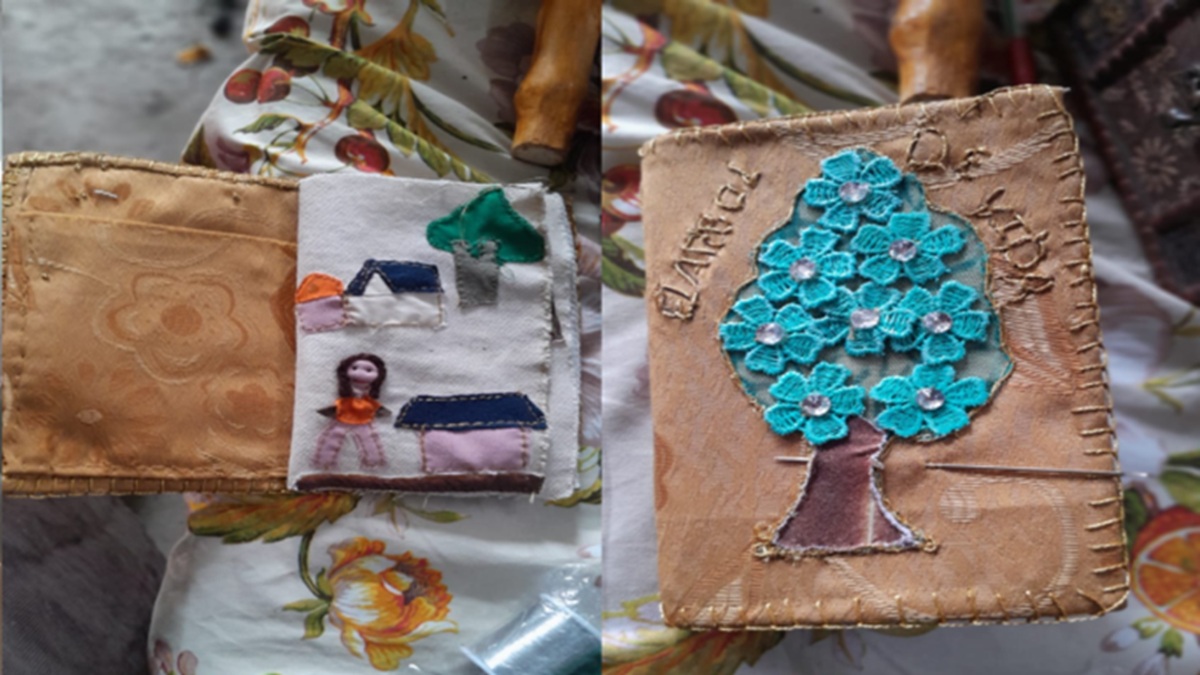
As part of the implementation of the Collective Healing Circles Program, an artistic project called “Golden Patches” has been developed, which constitutes a strategy of memory, expression, and collective care.
The activity brings together adult and older women, along with young women and girls, who, gathered in simple community spaces, work with needles, fabrics, and golden threads. Each participant uses a scrap of fabric from personal items that have accompanied their lives, on which they embroider simple and deeply meaningful symbols. These embroideries express their resistance to displacement, gender violence, social exclusion, and urban precariousness, as well as the inner treasures cultivated amidst these experiences.
The images that result from this exercise—trees, roots, flowers, and hearts—reflect the community’s resilience and spiritual strength. Each golden stitch becomes an act of healing and a recognition of the inner strength that has allowed them to resist and transform pain.
The embroidered fragments will be compiled in a collective golden book, presented on community altars as a tribute to shared struggles, living memories, and the hope built collectively.
The Mendiendos Dorados process is more than a craft practice: it constitutes a living heritage, a way of narrating memory and affirming dignity through symbolic and spiritual languages that strengthen community bonds.
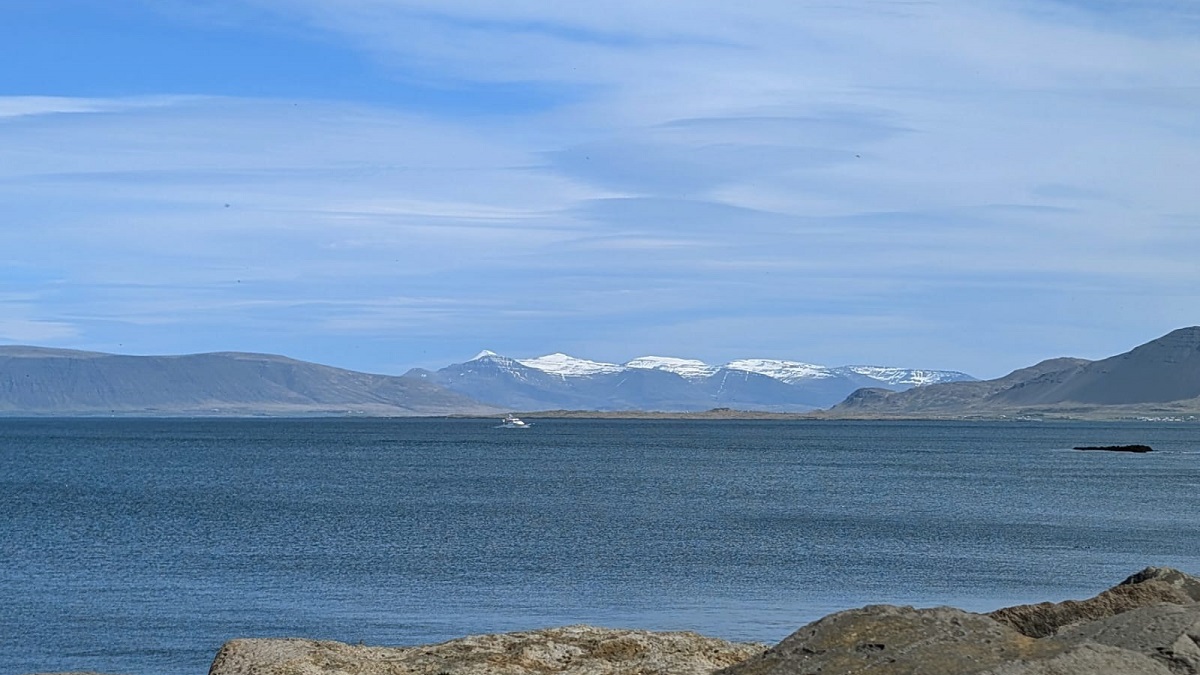
This year, the GHfP Institute was once again a contributor to the annual Well-Being Economy Forum held in Reykjavik, Iceland. Prof Scherto Gill joined the Rector of Icelandic University and former educational minister of Italy in an important panel to explore how higher education might nurture well-being. The specific focus of the session was to identify ways that universities might break silos in co-creating masters programmes dedicated to well-being studies.
Based on insights from the GHfP Institute’s experiences coordinating UNESCO Healing-Justice-Well-Being initiative, Prof Scherto Gill outlined three key points as references when developing Masters programmes in well-being: (1) a holistic conception of well-being to ensure clarification amongst components of well-being, conditions for well-being’s arising, and pathways to well-being; (2) well-being as an organising principle of the course as well as students’ experiences; (3) well-being as the course’s contents as well as the focus of students’ inquiry.
The GHfP’s MA in Peace Studies was used to showcase how well-being programmes can be interdisciplinary, engaging students as co-creators of programme contents, and orienting students’ research towards community’s well-being and nature’s thriving.
The 7th Spirit of Humanity (SoH) Forum brought together over 160 leaders, change-makers, and visionaries from more than 40 countries in Reykjavík, Iceland, under the theme “Inner Wisdom in Governance – Acting with Courage and Compassion.”
Held partly in collaboration with the Wellbeing Economy Forum, the gathering created a heart-centred space to explore how inner transformation can shape more compassionate and courageous leadership.
The GHfP Institute is a partner of the SoH Forum, and we contribute to its programme design, and support the co-creation of the spaces for deep dialogue, curious listening, and collaborative action.
On 10th May, GHfP’s PhD researcher, Isadora Canela, joined Prof Scherto Gill and the co-Founder of Wellbeing Economy Alliance (WEALL) in offering an interactive and experiential workshop entitled: “What if Meditation is not enough; Action is not enough:How would Love manifest in our being, working, creating and acting for a better world?” During this space, they invited the participants to reflect on our experiences of transformation in our personal lives, and what wisdom we might draw from such experiences to imagine systemic change.
Reflecting on the SoH Forum and its impact, Scherto suggests that “In silence, we awaken inner wisdom, seeking clarity in quiet reflection; through listening, we cultivate mutual presence, nurturing Love and caring; in dialogue, we weave our collective insights into pathways for flourishing futures.”







You must be logged in to post a comment.